
Your windows are bleeding energy right now. You probably don't think about it until the utility bill arrives and you're wondering why your heating or AC is running constantly. Windows let heat escape in winter and let the sun cook your house in summer. It's basic physics. But here's what's changed: modern automated window coverings actually fight back against all that.
How Windows Drain Your Energy
Sit by a window on a freezing day, and you'll feel it immediately. Cold radiates right through the glass. In summer, it's the opposite, sunlight pours in, and your room turns into an oven. Windows account for a huge portion of your home's energy use because glass transfers temperature so easily.
It gets worse depending on which way your windows face. South-facing windows take a beating from the sun all summer. North-facing ones bleed heat throughout winter. East and west windows create intense heat surges in the morning and afternoon. Your HVAC system has to work overtime just to keep up.
Most people deal with this by cranking their thermostat higher or lower. That gets expensive fast. But what if your window coverings actually did some of that work instead?
How Automated Shades Change the Game
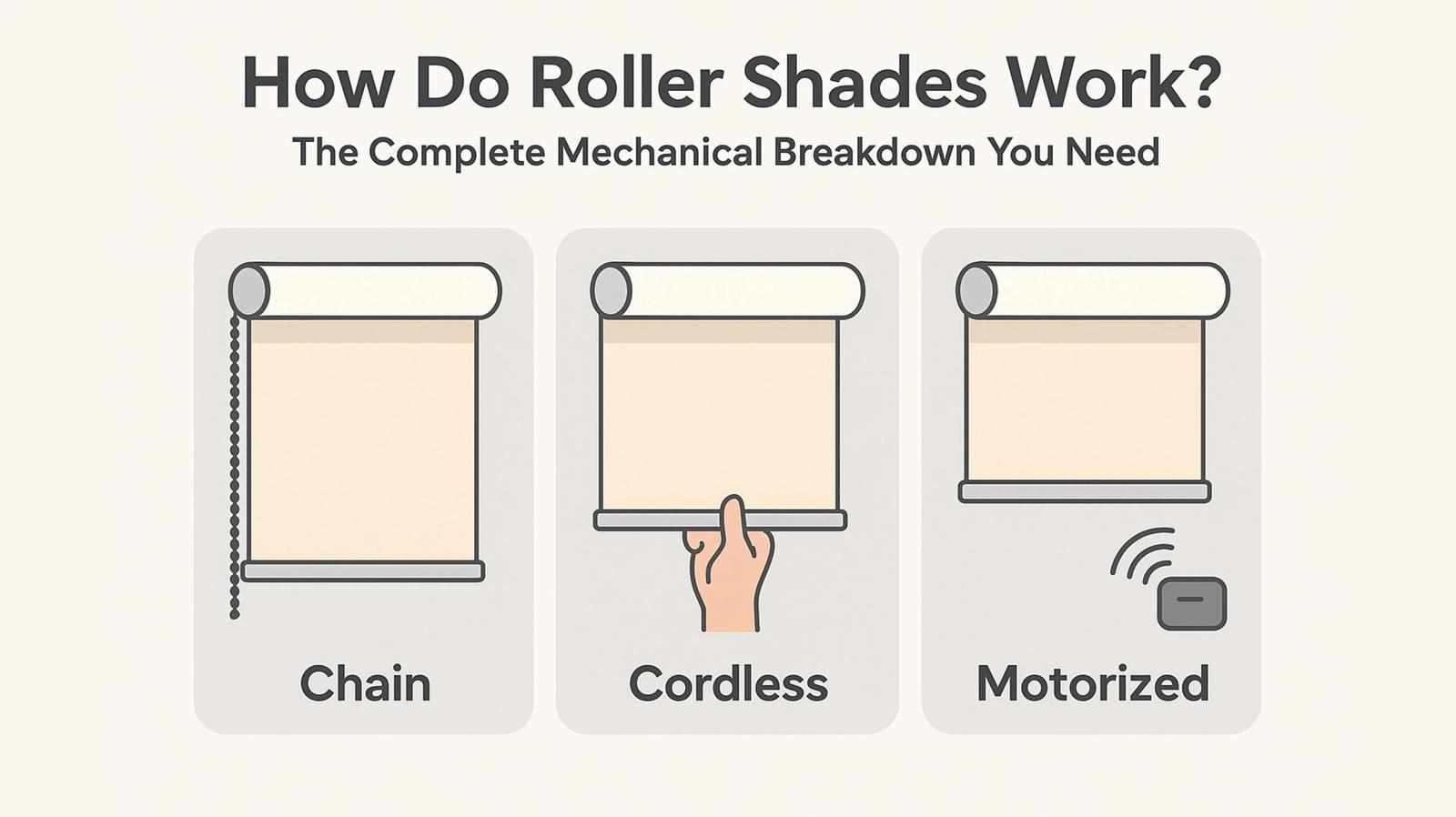
The difference between manual and motorized shades is huge. With manual ones, you forget to close them at the right times. Life gets busy. A shade sits open all day when it should be blocking summer heat, or it stays down when you could be using free winter sunlight. Automated systems don't have that problem.
You set a schedule. Sensors detect sunlight intensity. The shades lower automatically during peak sun hours and rise when evening comes. No thinking. No forgetting. The system stays consistent every single day.
During summer, a closed shade creates an air gap between the window and your room. That gap works like insulation. The temperature difference between an uncovered window and a covered one can reach 15 to 20 degrees in direct sunlight. Your AC doesn't have to work nearly as hard.
In winter, it flips. During the day, you get passive solar heat from open shades. At night, closing them creates a thermal barrier that traps warm air inside. The effect compounds across all your windows throughout the night.
Which Shades Work Best
There are basically two types of shades worth considering. The Torrance Blackout version blocks pretty much everything. No light gets through, no heat either. These are solid choices if you've got a bedroom that faces the morning sun or a media room where you want total darkness. They do the job without compromise.
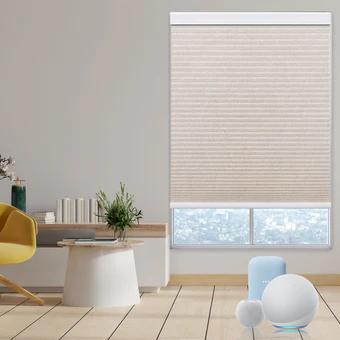
Then you've got the light-filtering options. They're different because they let some natural light in while still controlling heat. Your room stays bright, but the glare is gone and heat doesn't pour through like it does with bare windows. Most people find these work better in living rooms or offices where you actually want to see what's happening outside.
Before you decide, look at Light Filtering Fabric Samples in your actual space. Different materials perform differently based on which direction your windows face, how big they are, and what's around them. You might want something different in your bedroom than in your kitchen. Seeing how fabrics actually look and perform in your home beats guessing or going off a website photo.
Pick based on the room. Bedrooms usually benefit from blackout performance. Living spaces tend to do better with light-filtering because nobody wants to sit in a dark living room all day.
Remote Shades for Windows Put Automation to Work
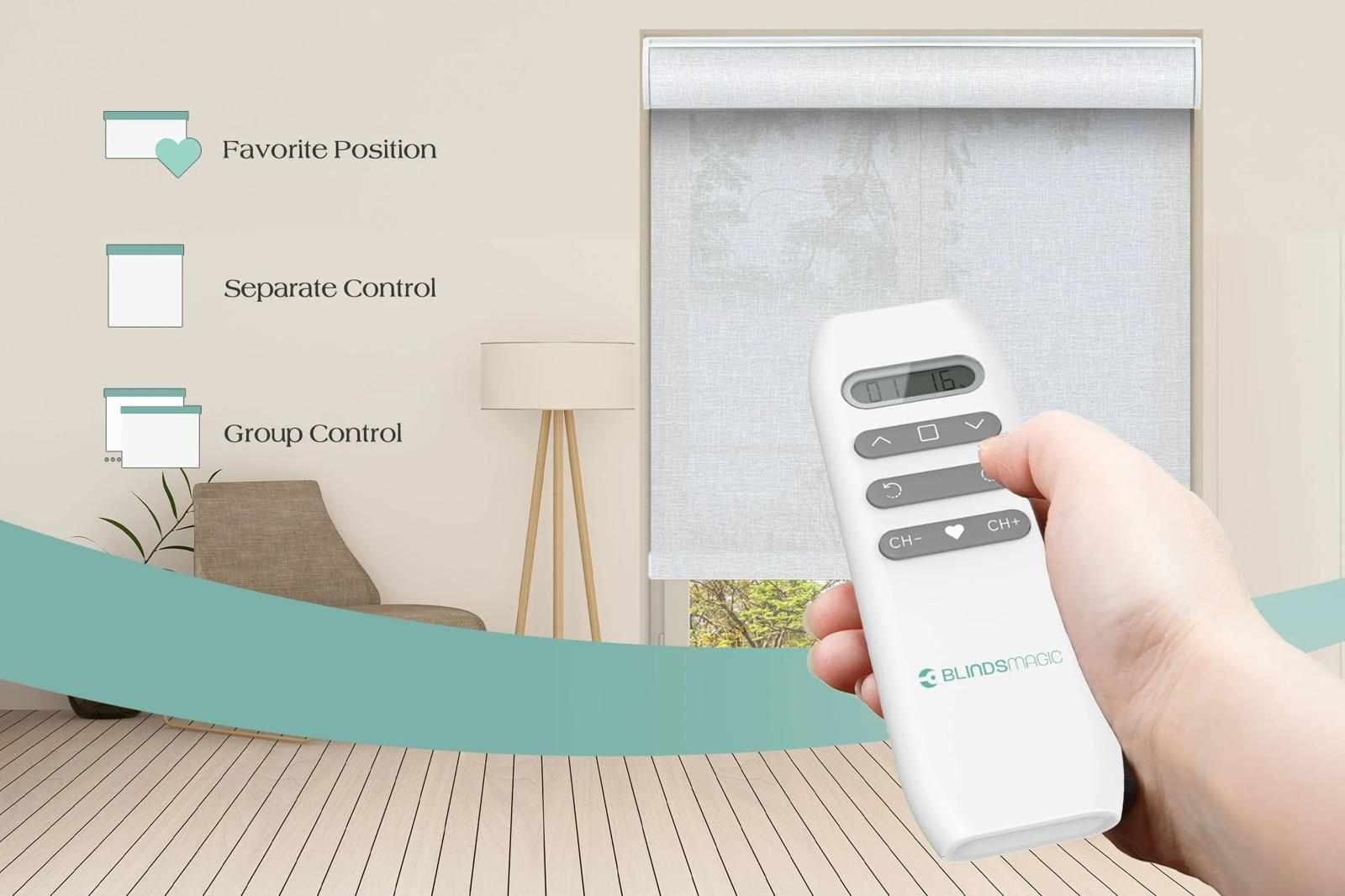
The best part about automated shades is that they actually do what you set them up to do. You don't have to remember anything. Set it and forget it.
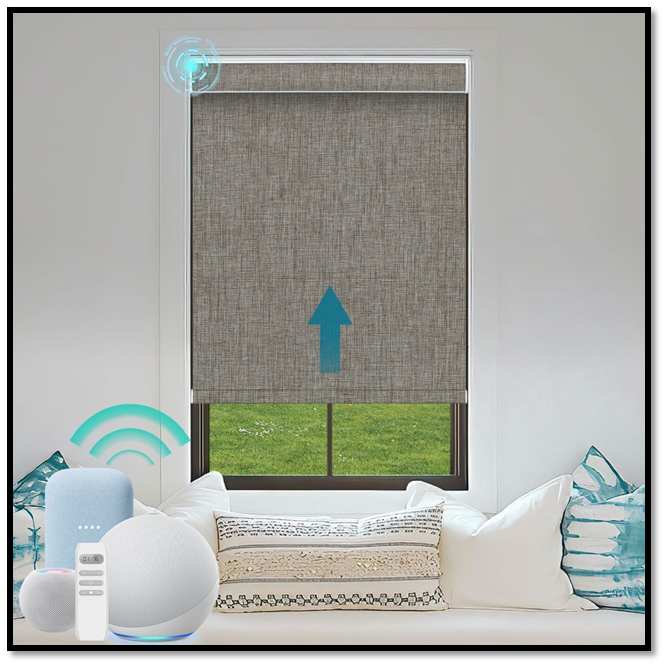
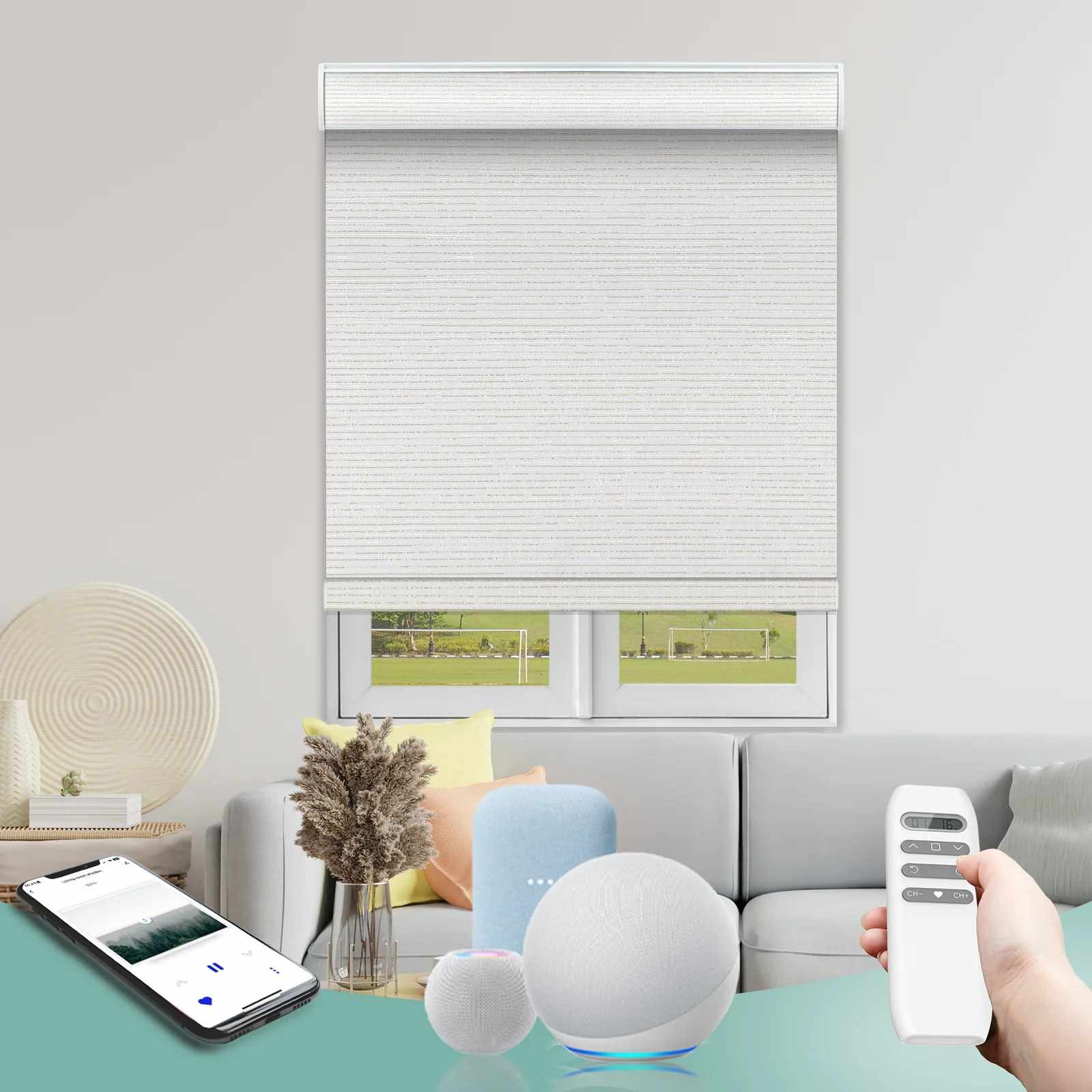
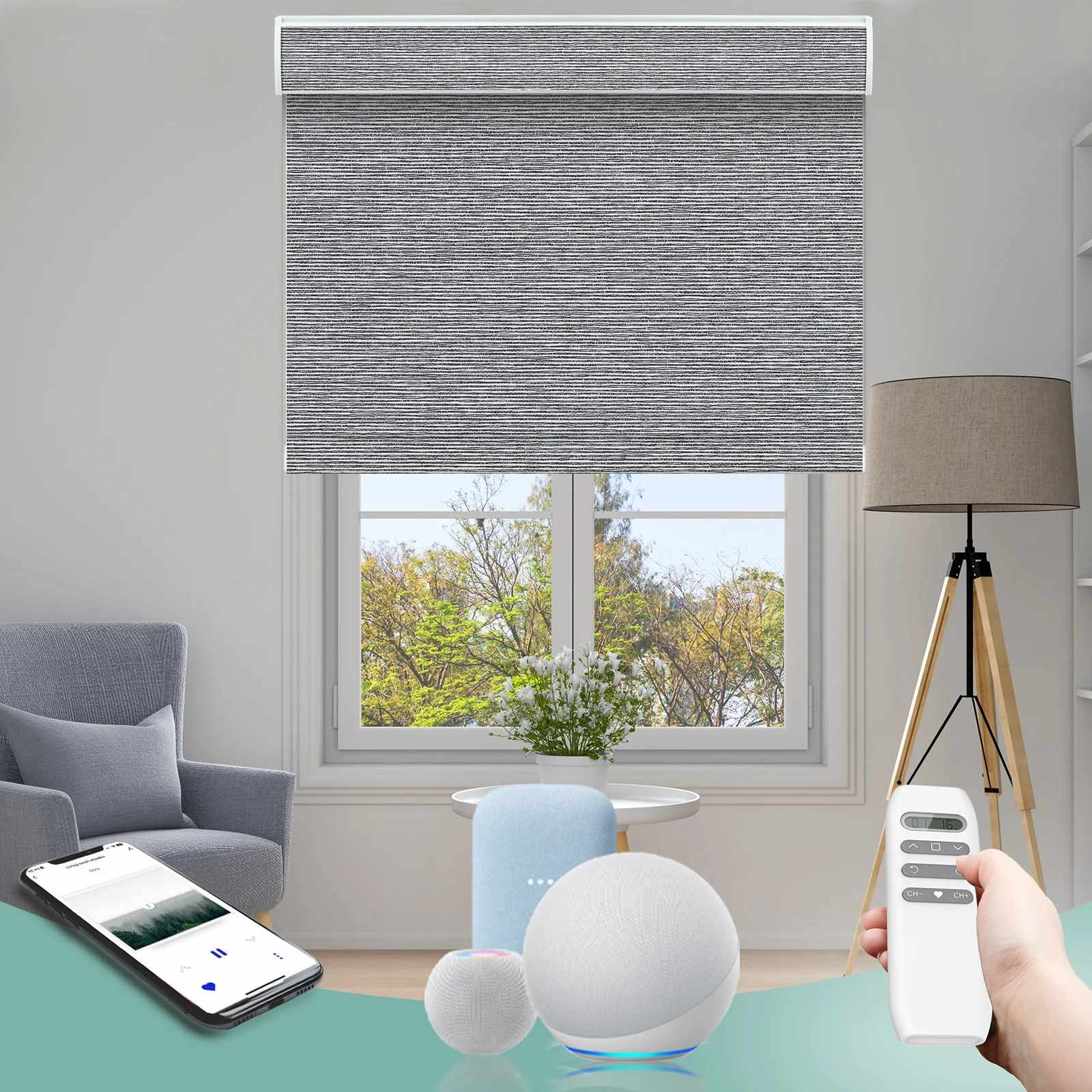
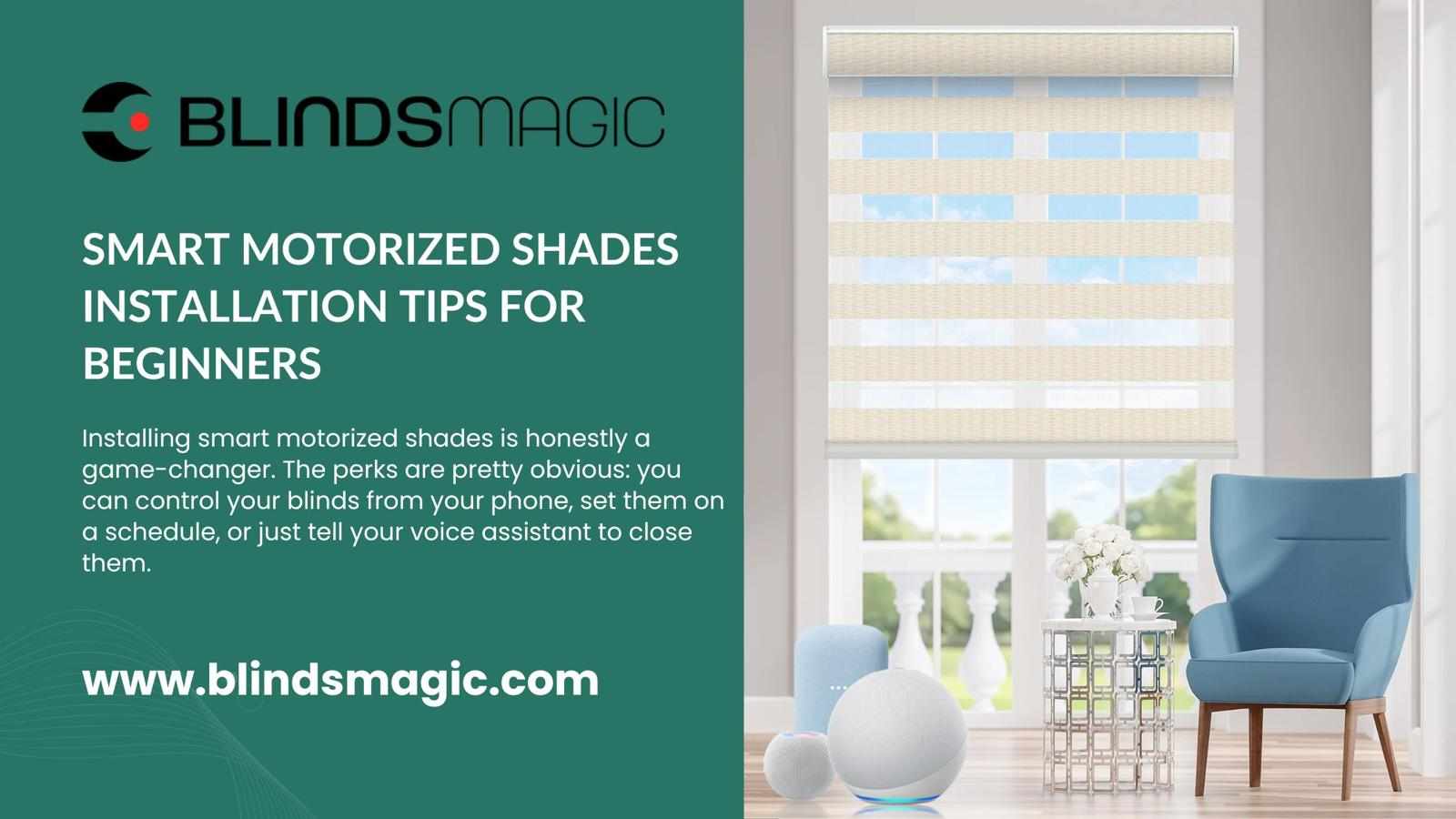
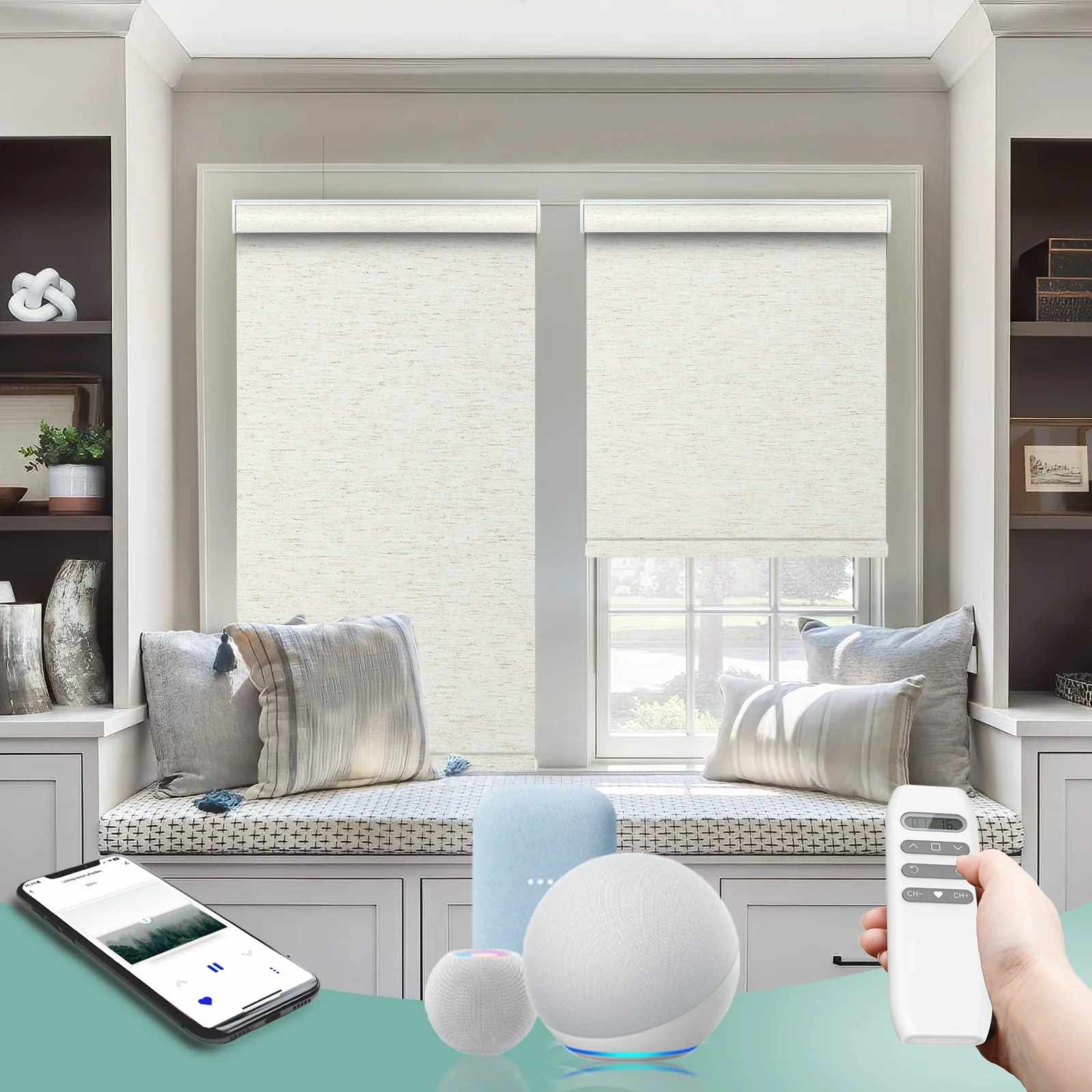
Some systems connect to your phone so you can adjust things from anywhere. You're away from home and it gets hot? Lower the south-facing shades from your phone. It's that simple. Other setups tie in with your smart home system.
The thermostat talks to the shades. Temperature drops inside? Shades adjust without you lifting a finger. Some systems figure out your patterns over time and just handle it all automatically. Remote Shades for Windows eliminate the guesswork entirely.
The result is consistent energy savings because your shades are actually doing their job every single day, not just when you happen to remember.
Getting the Right Fit Matters
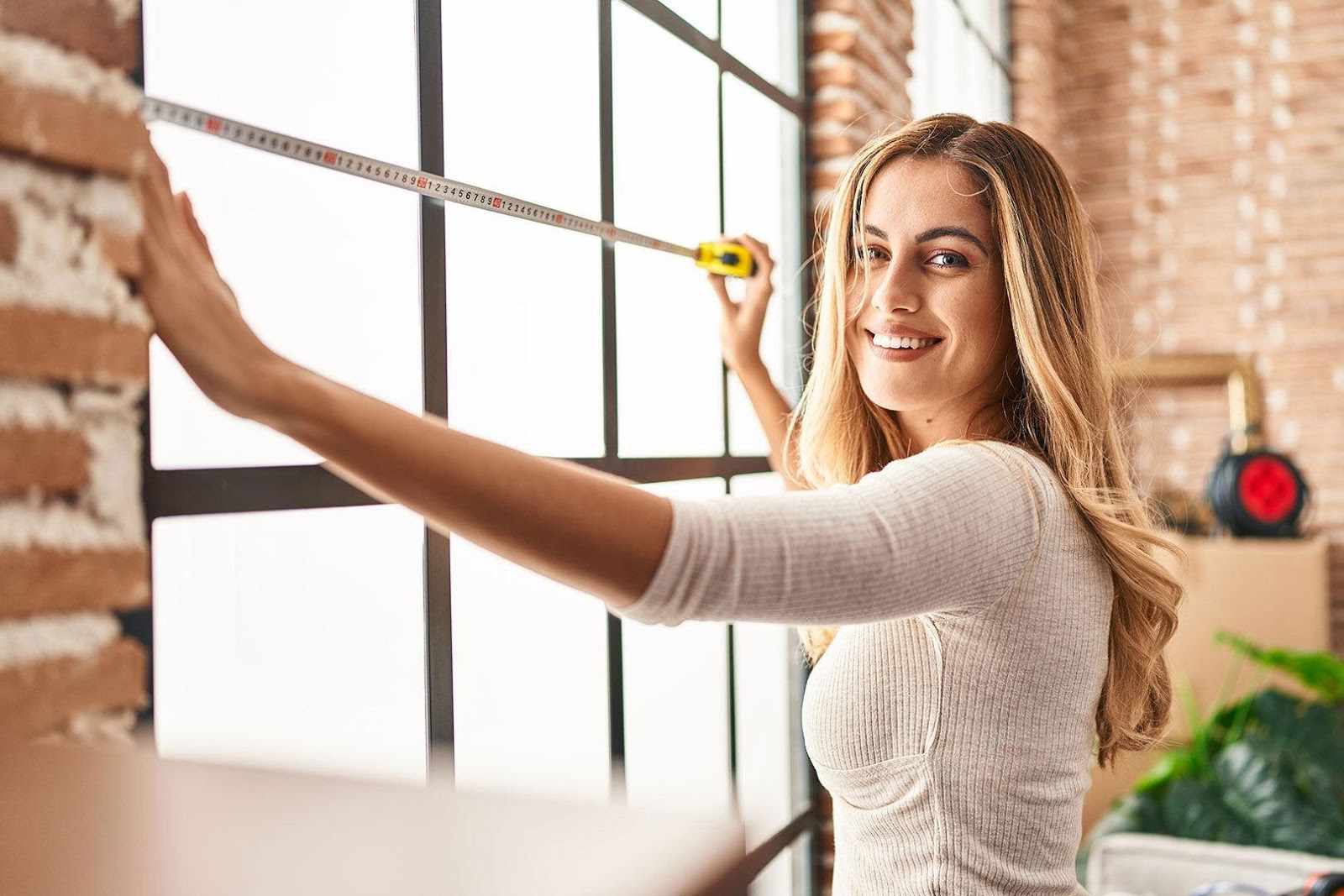
A gap around the shade edges kills your whole strategy. Heat sneaks in or escapes through those gaps no matter what kind of shade you have. This is why getting shades that fit properly makes a real difference.
Materials perform differently based on which direction your windows face, how big they are, and what's around them. Seeing how different options actually look and perform in your home beats guessing or going off pictures.
It's More Than Just Temperature
Beyond keeping your energy costs down, shades protect your stuff. UV damage fades furniture and hardwood floors over time. That costs money to replace. Good shades block that damage, and your interior furnishings actually last longer.
You'll probably use fewer lights during the day, too. When your shades manage natural light properly, rooms stay naturally lit without needing lamps on constantly. Every little bit adds up.
Lower heating bills. Lower cooling bills. Less strain on your HVAC system. No faded furniture. Reduced lighting costs. Most people see the investment pay for itself pretty quickly just through the utility bill savings alone.
Getting Started
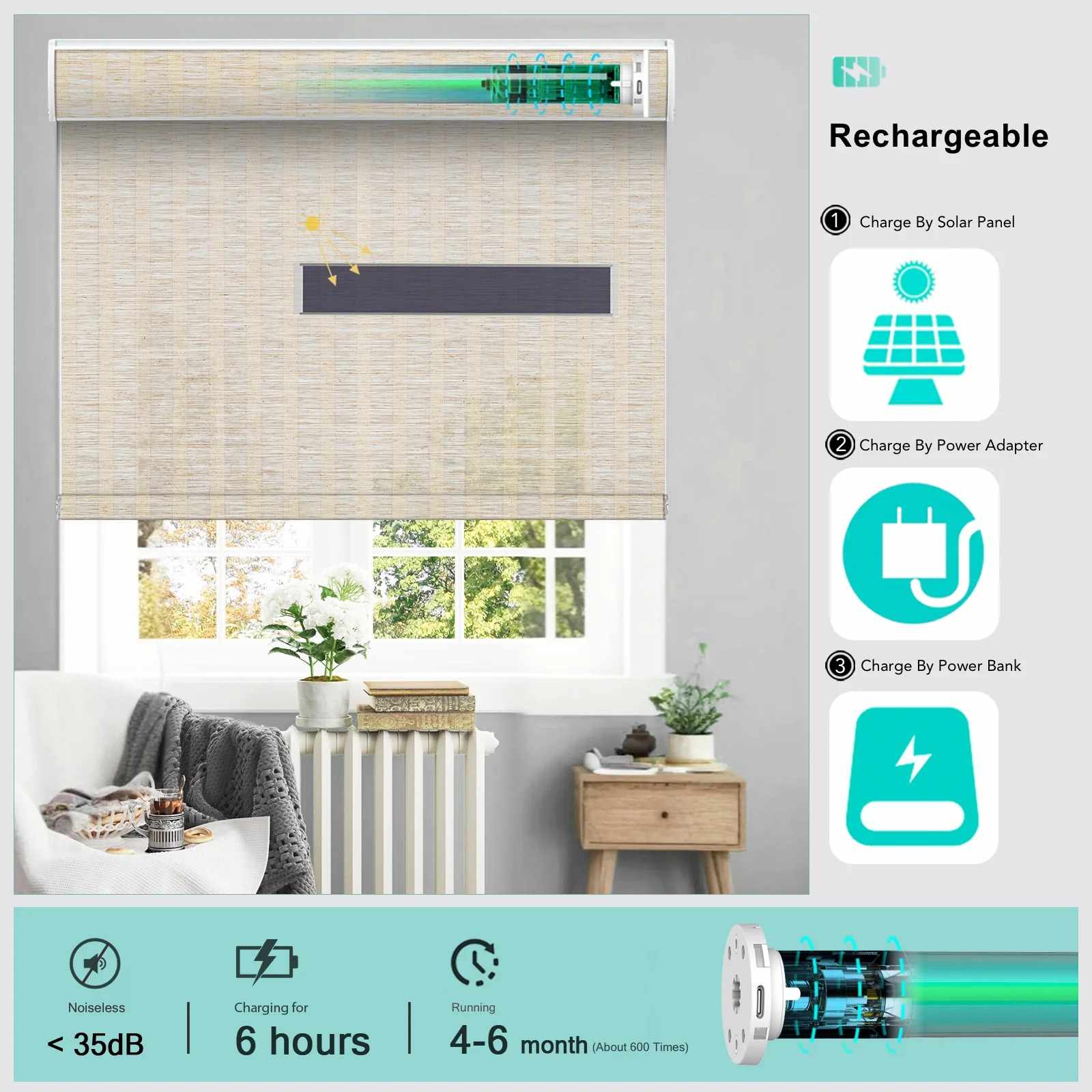
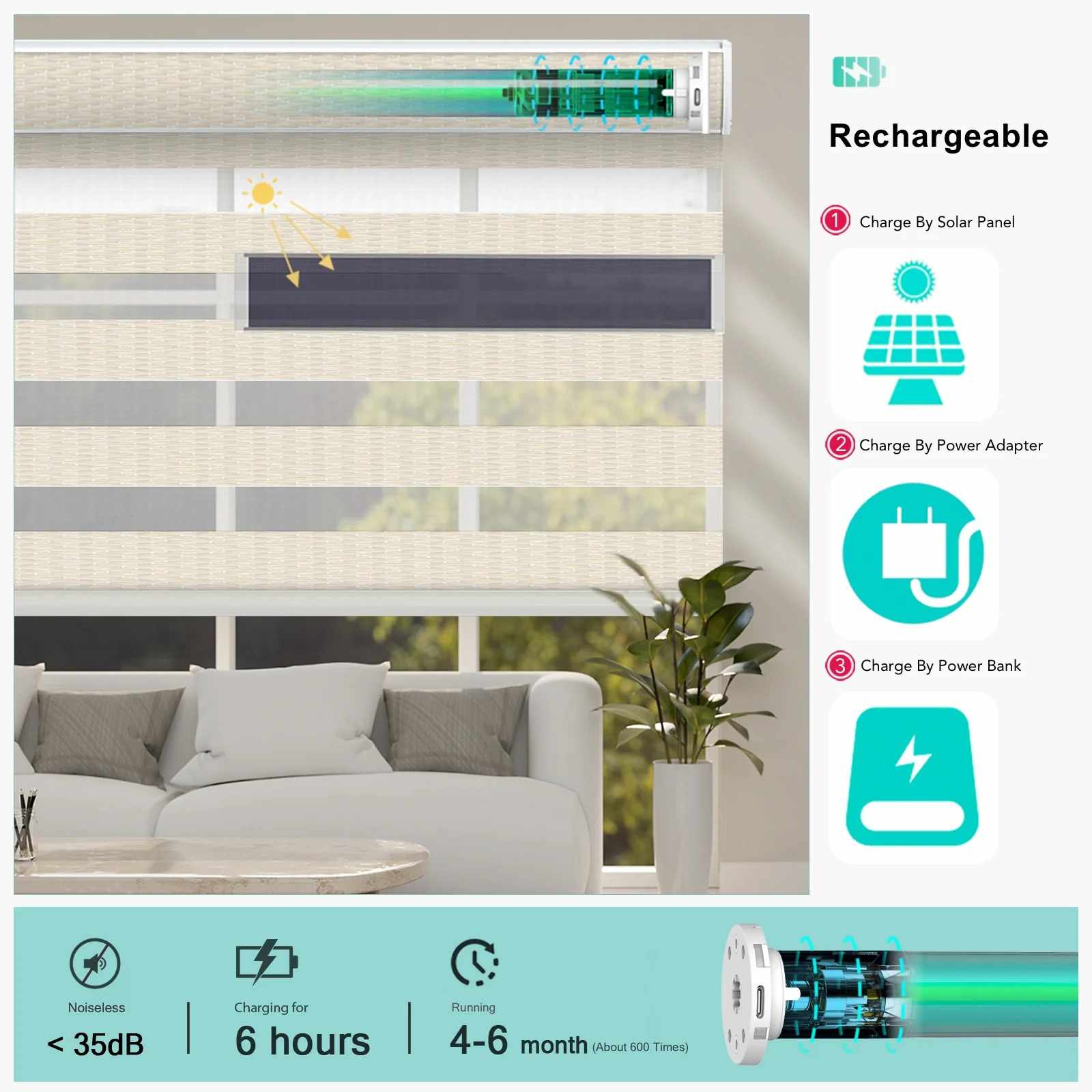
Installation depends on what makes sense for your space. Some setups use battery-powered motors. Others connect directly to your electrical system. A professional installer can look at your windows and tell you what actually works best for your situation.
Real homeowners who've made the switch see noticeable differences. Summer cooling costs drop by 15 to 20 percent when south-facing windows get covered properly. Winter heating needs decrease when you manage your shades throughout the day and night. Plus, the convenience factor is huge. You stop thinking about adjusting shades manually because the system handles it.
Worth the Investment
Automated shades solve a real problem. Your windows leak energy constantly. Automated shades stop that leak. They know when to lower, when to raise, and they're consistent about it without your effort.
If you want to cut energy costs while keeping your home comfortable and looking nice, quality automated window coverings are worth exploring. Find options that match what your home actually needs and what you're willing to spend. Most people find the energy savings pay the whole thing back within a couple of years.


Write a comment ...